








Polyamory
Relationships
6 Common Sex Drive Mismatches in Polyamory (And What To Do)
From New Relationship Energy to mono-poly dynamics, learn how to handle libido differences. Answered by Sexologist Anna Linde
Read more →

Relationship education that decolonizes how we love. Unlearn the colonial scripts of monogamy, hierarchy, and domination to navigate ethical non-monogamy, intentional community, and the relationships you choose.
Most relationship advice ignores power, race, and colonial norms. We don't. Relationships are shaped by systems. We are here to dismantle them.
Love does not need exclusivity to be real. Connection is not scarce. Connection is limitless.
Monogamy as the only model is a colonial inheritance, not human nature. We reclaim the diversity of love.
We create brave spaces rooted in accountability, not perfection. Growth happens through compassion and curiosity, not judgment.
Reject shame. Embrace the full spectrum of connection. Your relationships belong to you.
Our work has been recognized by leading publications around the world, sparking important conversations about love, relationships, and decolonization.
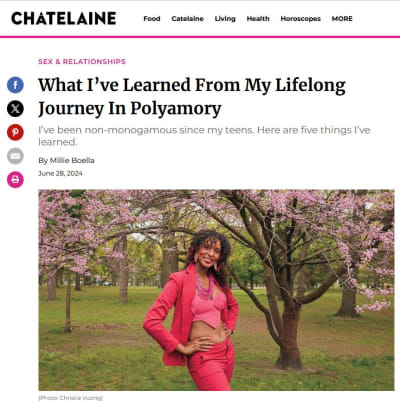
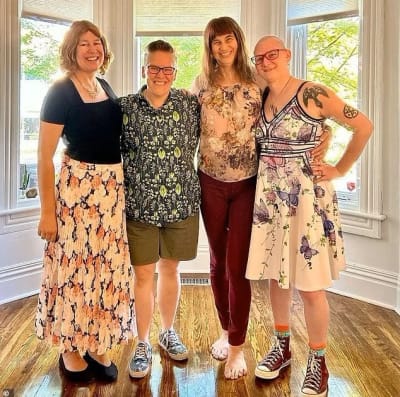
As Featured In








Foundational resources for the beginning of the journey, from books and podcasts to a glossary of the language.
Books · Podcasts · Music · Glossary
From intimate workshops to global meetups. Whether you're in a polycule or flying solo, there's a place for you here.
Workshops · Meetups · Panels · Online
Turn each partner's needs and boundaries into a clear, shared framework you all sign off on. Couples and polycules alike.
100+ Questions · Custom PDF · All Structures
Jealousy, opening up, or the end of something. A private session with someone who will listen without judgment.
Conflict · Jealousy · Communication · Boundaries
From New Relationship Energy to mono-poly dynamics, learn how to handle libido differences. Answered by Sexologist Anna Linde
Read more →
An anarchist perspective on the Last Ditch Bar fiasco.
Read more →
Why temporary polyfidelity isn’t monogamy, and how to use it to stabilize your relationship.
Read more →
A practical framework for managing sensory needs, setting boundaries, and thriving in non-monogamous relationships.
Read more →
From right wing mobs to leftist call out culture.
Read more →
An exploration of global Indigenous kinship systems and how their egalitarian models can inspire modern relationships, parenting, and bodily autonomy.
Read more →New workshops, product drops, events, and exclusive discounts, delivered to your inbox before anyone else.
No spam, ever. Unsubscribe anytime.
We use cookies to enhance your experience, analyze traffic, and serve relevant content.